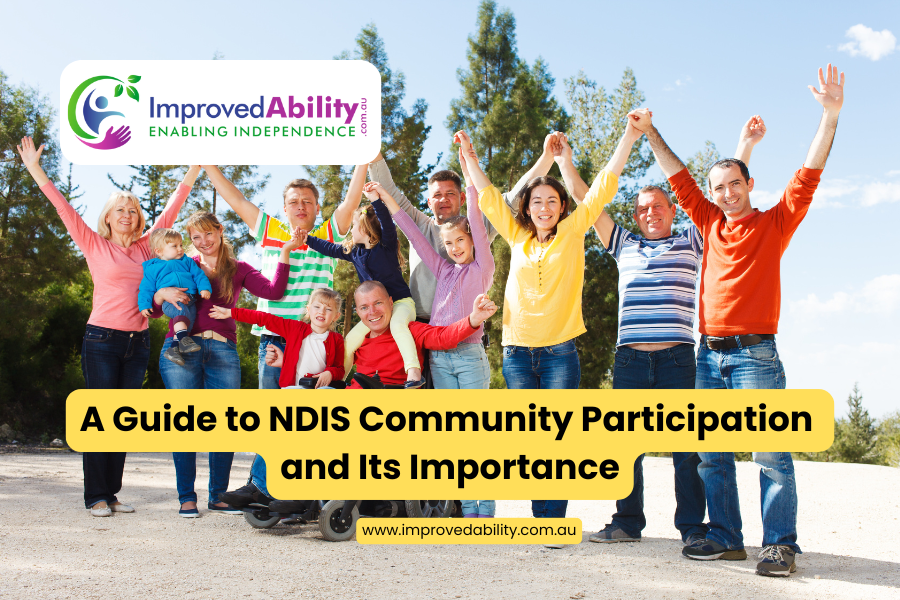
A Simple Guide to NDIS Community Participation and Why It Matters
The National Disability Insurance Scheme (NDIS) helps people with disability live a comfortable independent life. Also critical is NDIS community participation, providing the participant with a sense of belonging in a community, engagement in a social life, and positive experiences. Being a part of society makes people feel belonged and enhances wellbeing.
What is NDIS Community Participation?
NDIS community participation has connotations of assisting individuals to engage in social, recreational and community activities. This may be assistance in attending programs or classes. This may be assistance in attending events, enrolling in programs or classes. The NDIS makes sure participants can meet new people, learn new skills, and feel part of their community.
Why Community Participation is Important
Participation in the activities of the community allows people to find friends, acquire new skills, and maintain health. Independently, people with disabilities will feel isolated. Social and community participation NDIS programs ensure there are no barriers that prevent participants having the freedom to live with other people and feel involved.
Joining activities can enhance confidence/ self-esteem as well. New experiences and interaction with new people leave the participants happy and with a sense of purpose.
Types of Community Participation Supports
The NDIS gives many supports to help community engagement under NDIS. These include:
- Community access support: Help to travel to events, clubs, and programs.
- NDIS-funded social activities: Financial assistance to attend hobby or sports and arts classes.
- Inclusive community events: People are encouraged to participate with disabilities in activities.
- NDIS group outings: Day outings with groups of people.
- Social support for people with disabilities: Assistance in finding friends and communicating with other people.
- Capacity building supports NDIS: Skills development and confidence programs as well as gaining independence.
These aids enable the participants to attend activities without risk and can find friends.
Benefits of Community Participation
Joining activities brings many benefits. Participants improve social skills, mental health, independence, and feel a sense of belonging. Attending classes or events helps them make friends, learn new skills, and feel confident. These are examples of increased social and community participation NDIS examples in real life.
Participation in community activities is also a way of helping individuals to find new interests and hobbies. It also teaches how to work together, communicate and make problem solving skills which he can apply to everyday life.
How NDIS Supports Social Participation
The NDIS offers an individual support model according to the ambitions of the participant. Participants make choices on what social activities they would like to undertake in the planning stage. The NDIS funds services and activities to help achieve these goals, making NDIS social and community participation possible.
The support is to be provided so that the comfort level of the participants is matched. This provides them with an affirmative experience and makes them slowly feel ready to take on larger or jumpier challenges.
Examples of Community Activities
Some practical increased social and community participation NDIS examples are:
- Going to art or music classes.
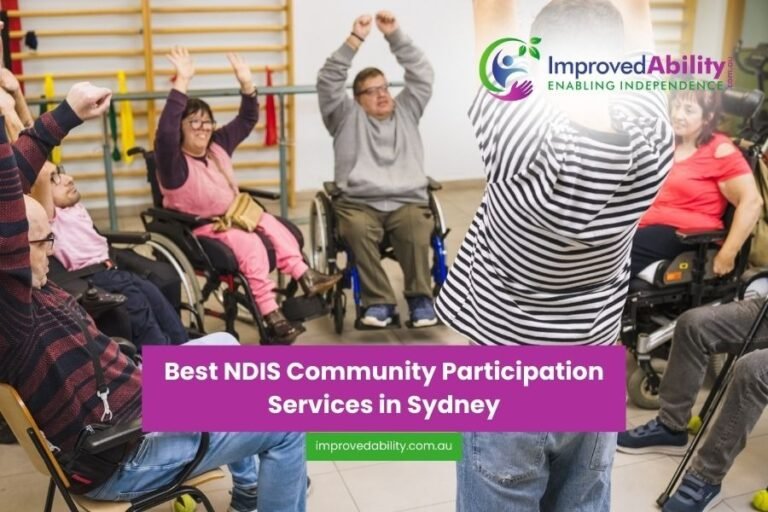
- Joining sports or exercise groups.
- Participating in community gardening or local projects.
- Volunteering for community programs.
- Attending local festivals or cultural events.
- Taking part in workshops or learning sessions.
These activities help participants learn skills, meet new people, and enjoy life. They also encourage creativity and problem-solving.
Community Access Support
Community access support is very important. This can include help with transport, guidance during activities, or support to interact with others. It makes it easier for participants to enjoy activities and reach their social goals.
This support also gives families peace of mind, knowing participants are safe and supported while joining activities.
Inclusive Community Events
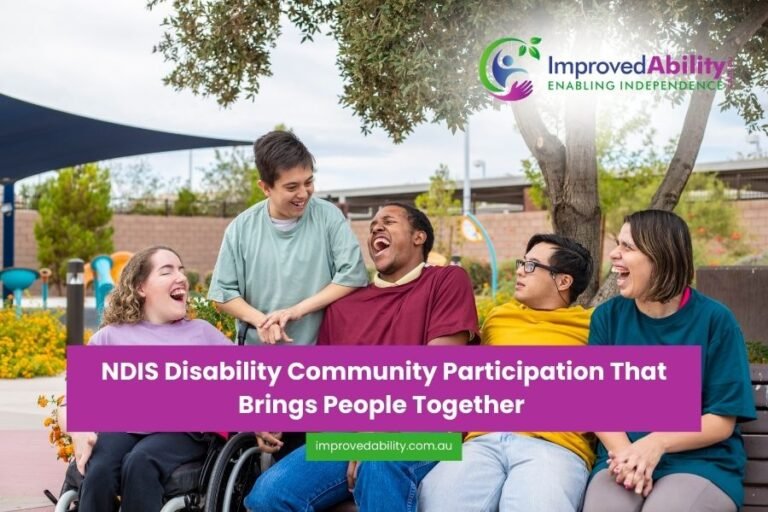
The NDIS ensures that all players can be included in the activities regardless of their ability. Inclusive community events provide accessible facilities, activities, as well as a safe environment. It makes the participants feel accommodated and acquire social and practical skills.
Taking part in inclusive activities would also teach respect toward people of diversity and forms relationships with the rest of society.
Building Skills Through Community Participation
Capacity building supports NDIS helps participants gain skills for independent living and joining community activities. These can include social skills training, confidence-building, and guidance for using community spaces. This support help participants engage fully and independently.
Skills learned here can also help in school, work, and daily life, like communication, problem-solving, and making decisions.
Role of Families and Caregivers
The ways in which families and caregivers can contribute to NDIS community participation is to promote participation, assistance with transport, and participation. Through this, their support will be constructive, and their experiences positive, which can be done through enjoyable social participation.
Family involvement also helps participants stay consistent in joining activities and gives feedback to improve the experience.
Are You Actively Participating or Just Attending? Why the Distinction Matters for Your NDIS Plan
The Difference Between Passive and Active Community Participation Not all participation is equal — and this distinction matters when setting NDIS goals and measuring outcomes.
Passive participation means being present at an activity but not genuinely engaged — attending an event with a support worker but spending most of the time as an observer rather than a contributor.
Active participation means being meaningfully involved — making choices, interacting with others, contributing to activities, and building real connections as a result. The NDIS is designed to fund supports that lead to active participation. When reviewing your plan or setting new goals, aim to move beyond attendance as the measure of success.
Ask instead: Am I making friends? Am I developing new skills? Am I feeling more confident in community settings than I was six months ago?At Improved Ability, our support workers are trained to facilitate genuine engagement — not just supervise attendance.
Tips for Getting the Most from Community Participation
Participants can get the most from NDIS supports by:
- Setting simple and clear goals for social involvement.
- Trying different activities to find what they enjoy.
- Talking about needs during NDIS planning.
- Using support like community access or group helpers.
- Celebrating progress and achievements.
Following these tips helps participants stay engaged and get full benefits from social and community participation NDIS programs.
Final Thoughts
NDIS community participation is important for independence, social skills, and feeling included. Through NDIS-funded social activities, inclusive community events, NDIS group outings, and community access support, participants can join society, learn skills, and make friends.
At Improved Ability – Enabling Independence, Sydney Wide, we help participants access social and community participation NDIS supports. Our team guides people through NDIS planning, connects them with activities, and ensures meaningful community involvement. Contact us today to start joining community activities and enjoy greater independence.
Frequently Asked Questions
NDIS Community Participation Sydney — Everything You Need to Know
-
Q01
What is NDIS community participation and what does it typically cover for Sydney participants?
NDIS community participation in Sydney typically covers funded support for social, recreational, and cultural activities that help participants connect with others and engage meaningfully in New South Wales community life.
-
Q02
What is the difference between social participation and community participation under the NDIS in New South Wales?
Social participation typically focuses on building relationships, while community participation generally covers broader engagement in local civic and cultural life. As of 2026, the NDIS typically funds both under the same Core Supports category for Sydney participants.
-
Q03
How do Sydney NDIS participants ensure their community participation activities are considered reasonable and necessary?
Sydney participants can generally ensure approval by clearly linking each activity to a specific NDIS plan goal. Activities directly supporting independence or social connection across New South Wales are typically considered reasonable and necessary.
-
Q04
Can informal community participation activities be funded under the NDIS for Sydney participants?
Informal activities like joining a local club can generally be NDIS funded if a support worker is needed to facilitate participation. As of 2026, purely recreational activities with no disability-related support need are typically not funded across New South Wales.
-
Q05
How does NDIS community participation support differ for participants with high support needs in Sydney?
Sydney participants with high support needs typically require a higher support worker ratio during community participation, generally resulting in higher plan funding. As of 2026, complex needs participants in New South Wales can usually access 1:1 community participation support.
-
Q06
Can Sydney NDIS participants use community participation funding for cultural and religious activities?
Yes, Sydney participants can generally use community participation funding for cultural or religious activities when disability-related support is required to attend. As of 2026, the NDIS typically recognises cultural safety as an important factor across New South Wales.
-
Q07
How do Sydney NDIS participants transition from supported to independent community participation?
Sydney participants typically transition through gradual fading of support — progressively reducing support worker hours as confidence builds. As of 2026, New South Wales providers generally document this transition formally as part of the participant's goal review.
-
Q08
What evidence do Sydney NDIS participants typically need to increase community participation funding at a plan review?
Sydney participants typically need provider progress reports, a support coordinator recommendation, and evidence showing current funding has been fully utilised. New South Wales participants should generally document unmet community goals before their plan review.